All posts by Louise Lindbäck

Summary of the Antibiotics and Antibiotic Resistance course – 2026

23–26 March 2026 | Stora Brännbo, Sigtuna, Sweden 

The 2026 Antibiotics and Antibiotic Resistance course brought together PhD students and postdoctoral researchers from all major universities in Sweden for four days of intensive learning and scientific exchange. Participants represented SLU, Karolinska Institutet, Lund University, Linköping University, Malmö University, Umeå University, the University of Gothenburg, and Uppsala University, creating a strong national platform for interdisciplinary discussions and networking opportunities.

We were particularly pleased to welcome five Norwegian students through our collaboration with the Norwegian research school Microbiology Matters (MiMa | UiT). Their participation added valuable perspectives and contributed to fostering Nordic networking and scientific exchange.

This course offered a broad, interconnected perspective on antibiotic resistance, spanning from fundamental microbial mechanisms to clinical, diagnostic, and societal challenges. With a strong One Health focus, the program explored how antibiotics function, how resistance arises and spreads, and how modern diagnostics and alternative therapies can be used to combat this global threat.
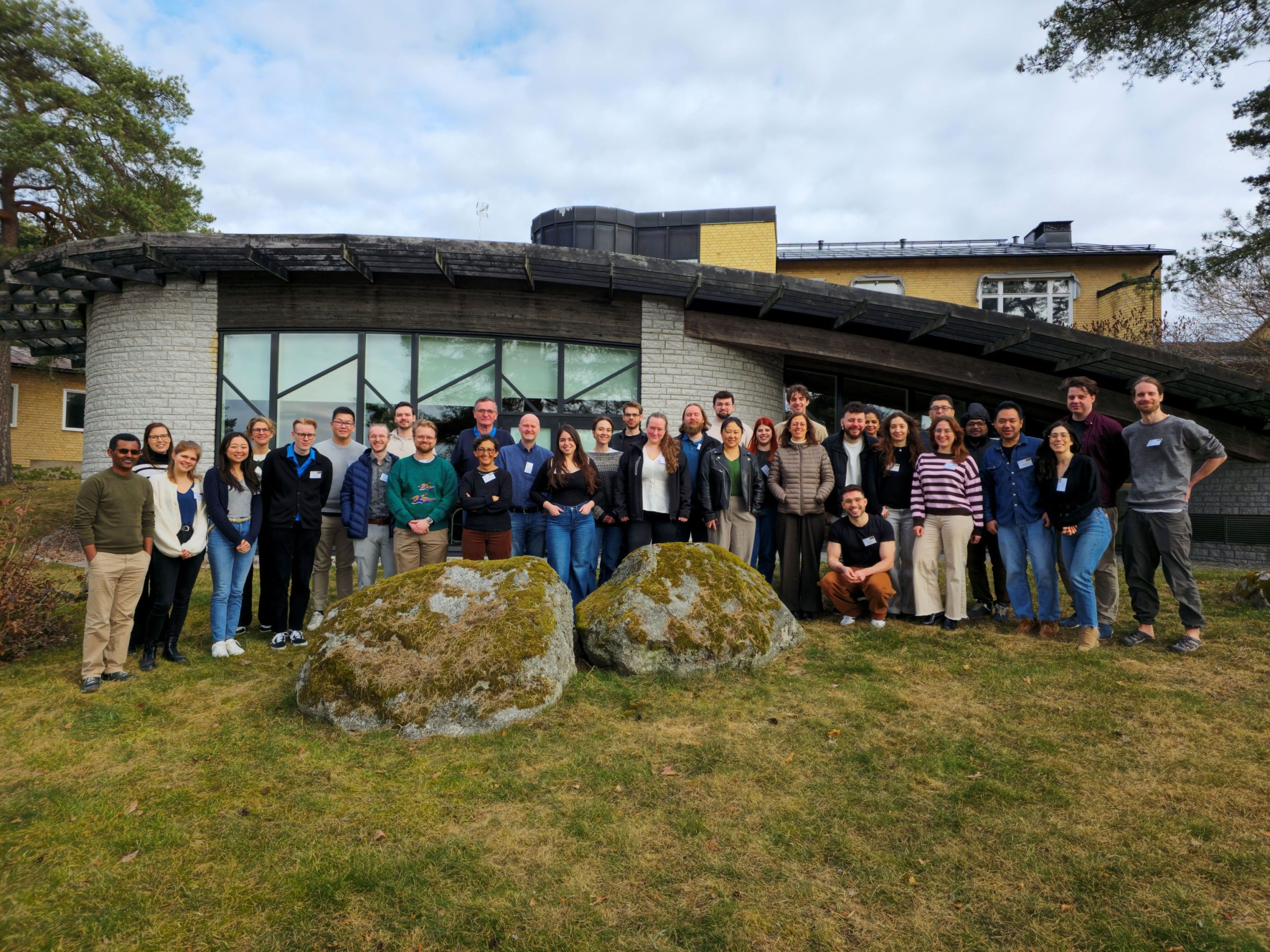
Group photo of the participants attending the Antibiotics and Antibiotic Resistance course in March 2026. Photo by staff at Stora Brännbo.


Lectures
 were delivered by 
national and international experts in the fieldgiving participants up-to-date insights on the specific topics. By keeping the course relatively small in size, we aim to create an interactive learning environment that encourages close engagement between participants and lecturers. During the course, students found it easy to ask questions, participate in meaningful discussions, and receive constructive input on their own research projects.
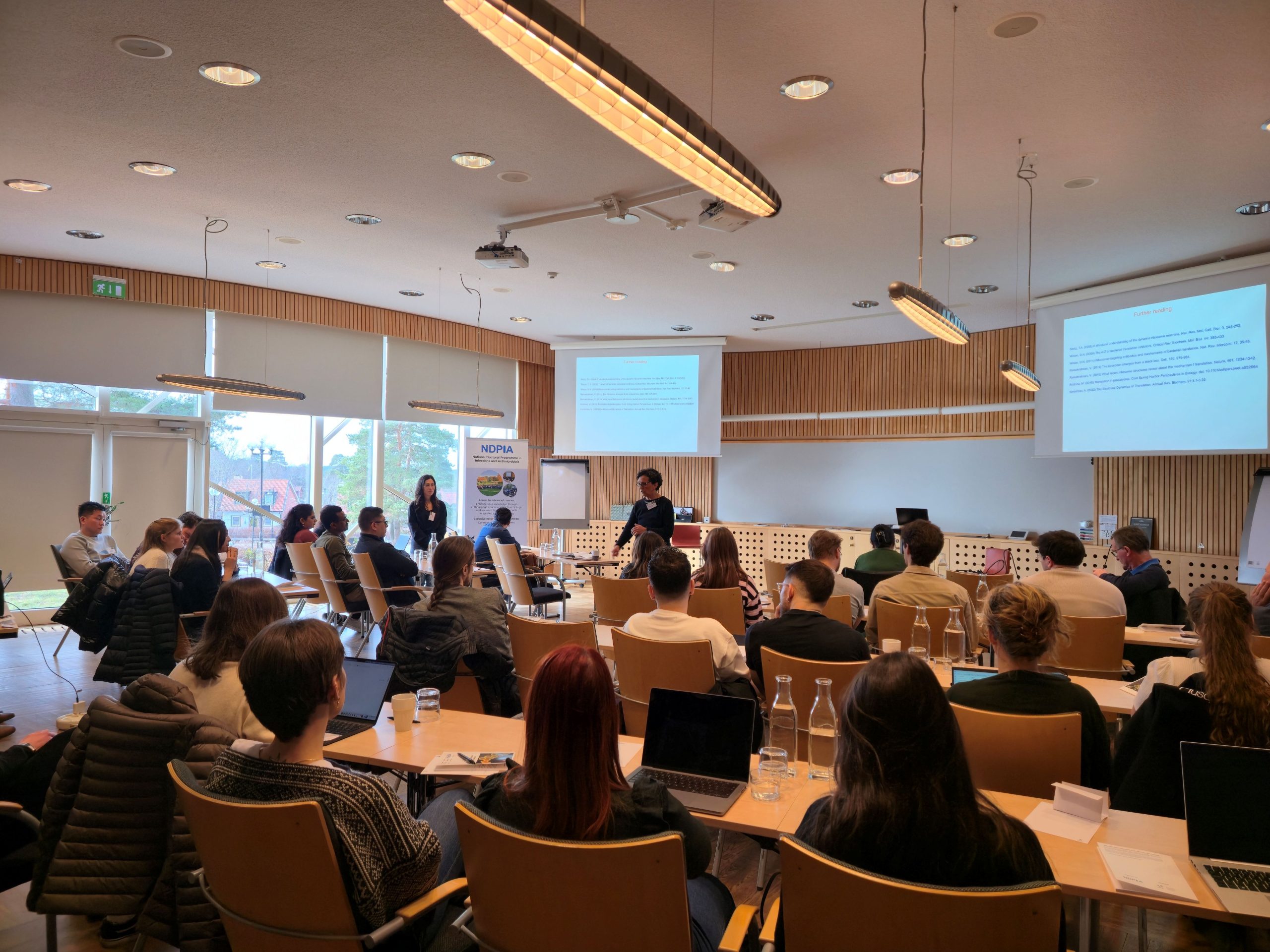
Lecture on “Antibiotics targeting the ribosome” given by Nora Vazquez-Laslop, Center for Biomolecular Sciences, University of Illinois at Chicago, USA. Photo by Annasara Lenman.
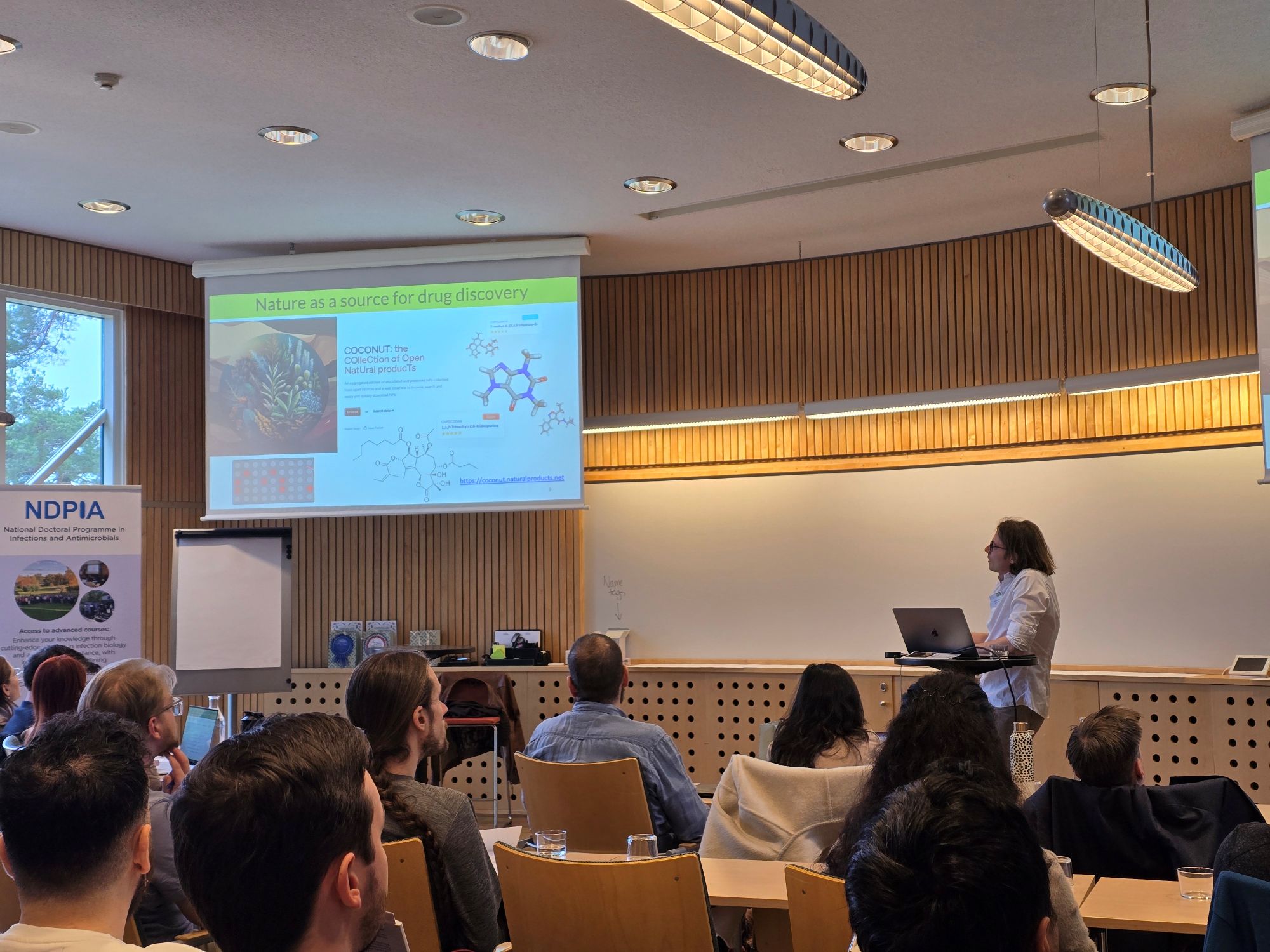
Lecture on “AI in drug design” given by Andreas Luttens, Karolinska Institutet, Sweden. Photo by Annasara Lenman.

One of the course highlights was the workshop on “Making sense of antibiotic resistance: Communicate for change”. Many participants found this element both new and eye-opening, sparking an interest in science communication more generally, especially the idea of communicating not just to inform, but to create change.

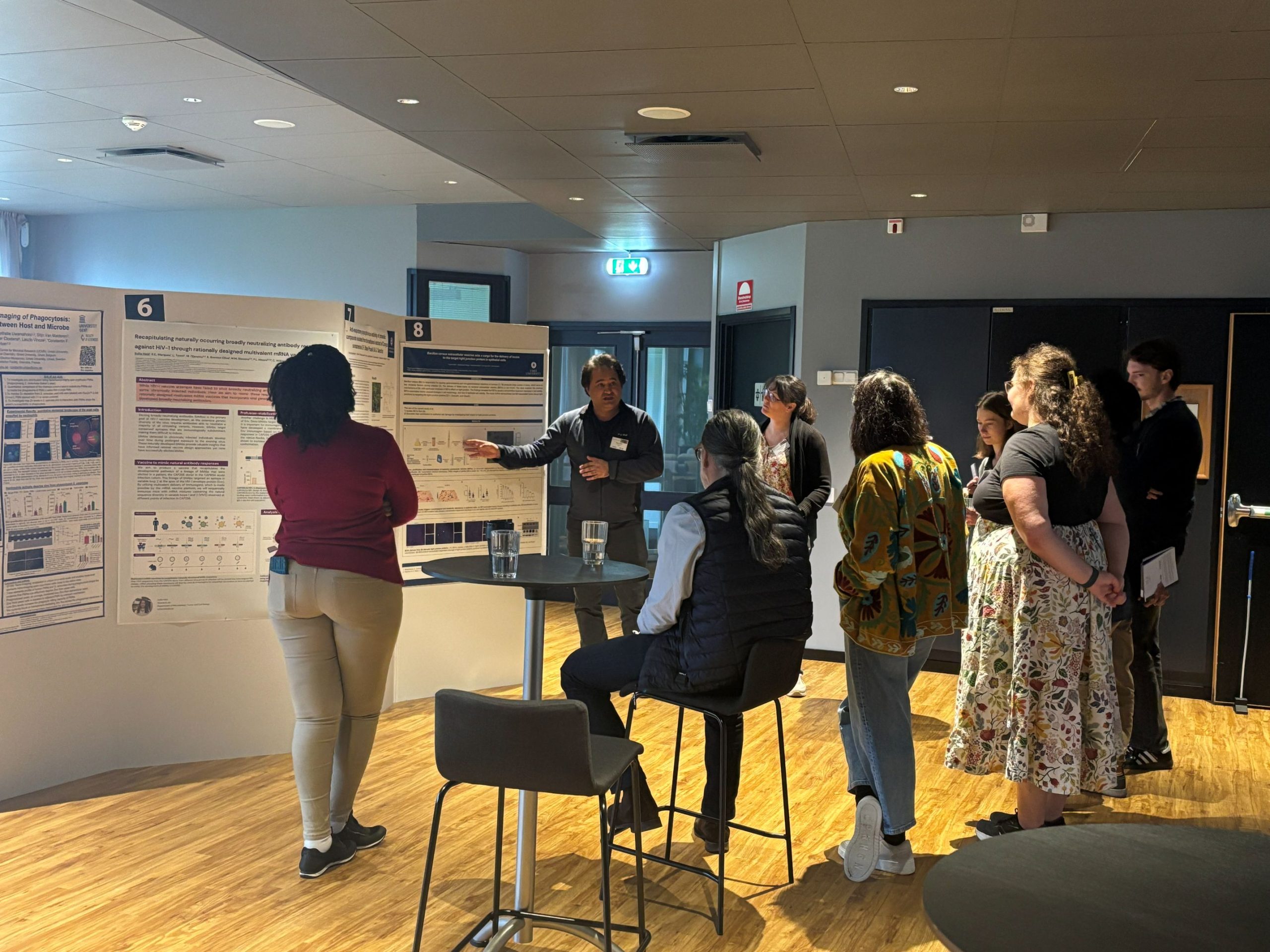
The poster walk sessions provided a platform for participants to present and discuss their own research with peers, lecturers, and the course organizers, further emphasizing interaction and scientific dialogue.
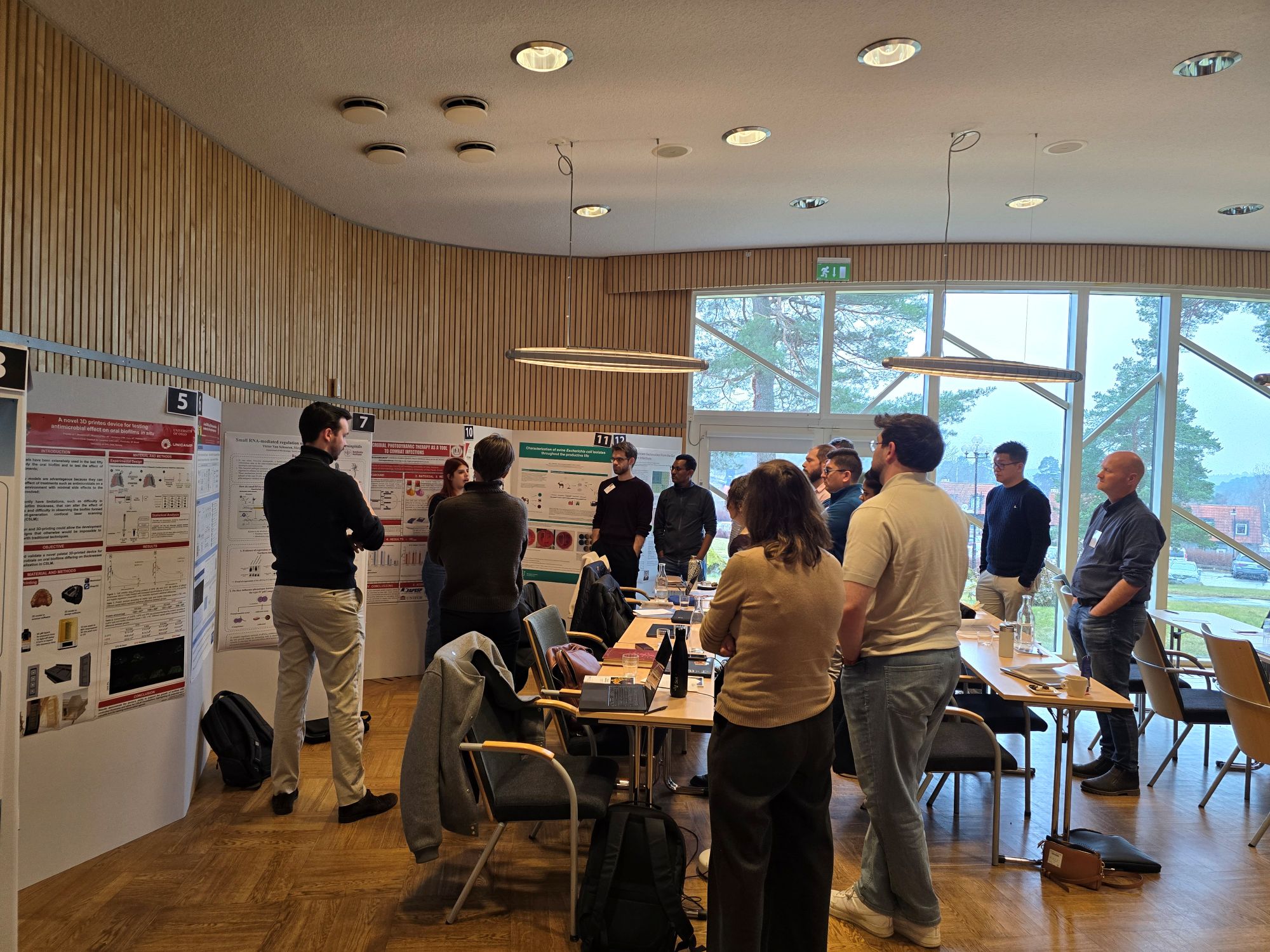
Students presented their research during interactive poster walks that stimulated discussion and encouraged peer-to-peer learning. Photo by Annasara Lenman.
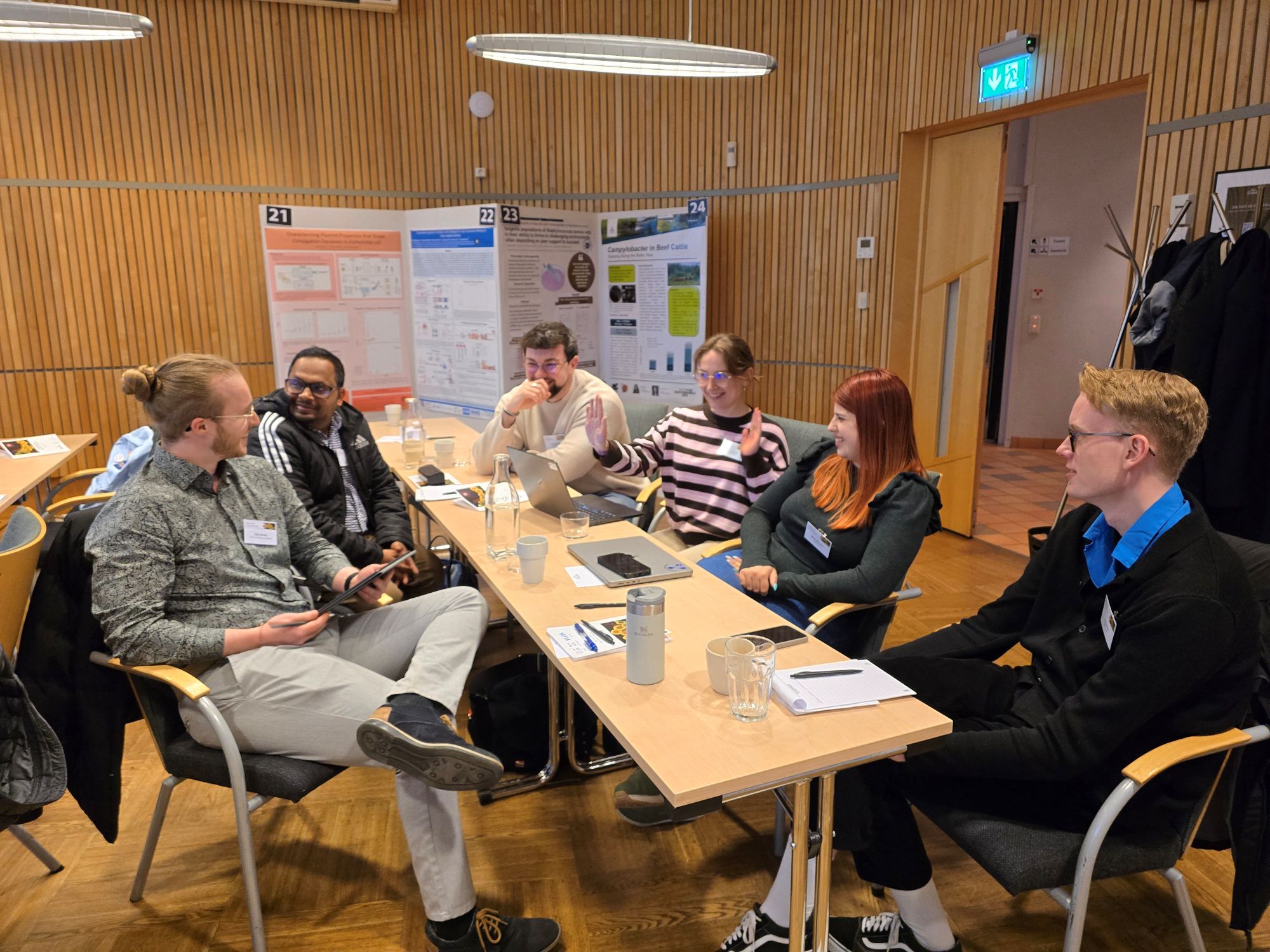
Group discussions during the “Communicate for change” workshop led by Eva Garmendia, Uppsala University, Sweden. Photo by Annasara Lenman.

To view the full course program, please visit: Antibiotics and Antibiotic Resistance Course 2026 | NDPIA 


Special thanks to the organizing committee:

Annasara Lenman, NDPIA National Director, Umeå University, Sweden
Helen Wang, NDPIA, Uppsala Antibiotic Center, Uppsala University, Sweden
Diarmaid Hughes, Uppsala Antibiotic Center, Uppsala University, Sweden
Eva Garmendia, Uppsala Antibiotic Center, Uppsala University, Sweden
Edmund Loh, NDPIA, Karolinska Institutet
Louise Lindbäck, NDPIA Project Coordinator, Umeå University, Sweden
Summary of the Vaccine Development course – 2025

22–24 October 2025 | Aronsborg Konferenshotell, Bålsta, Sweden

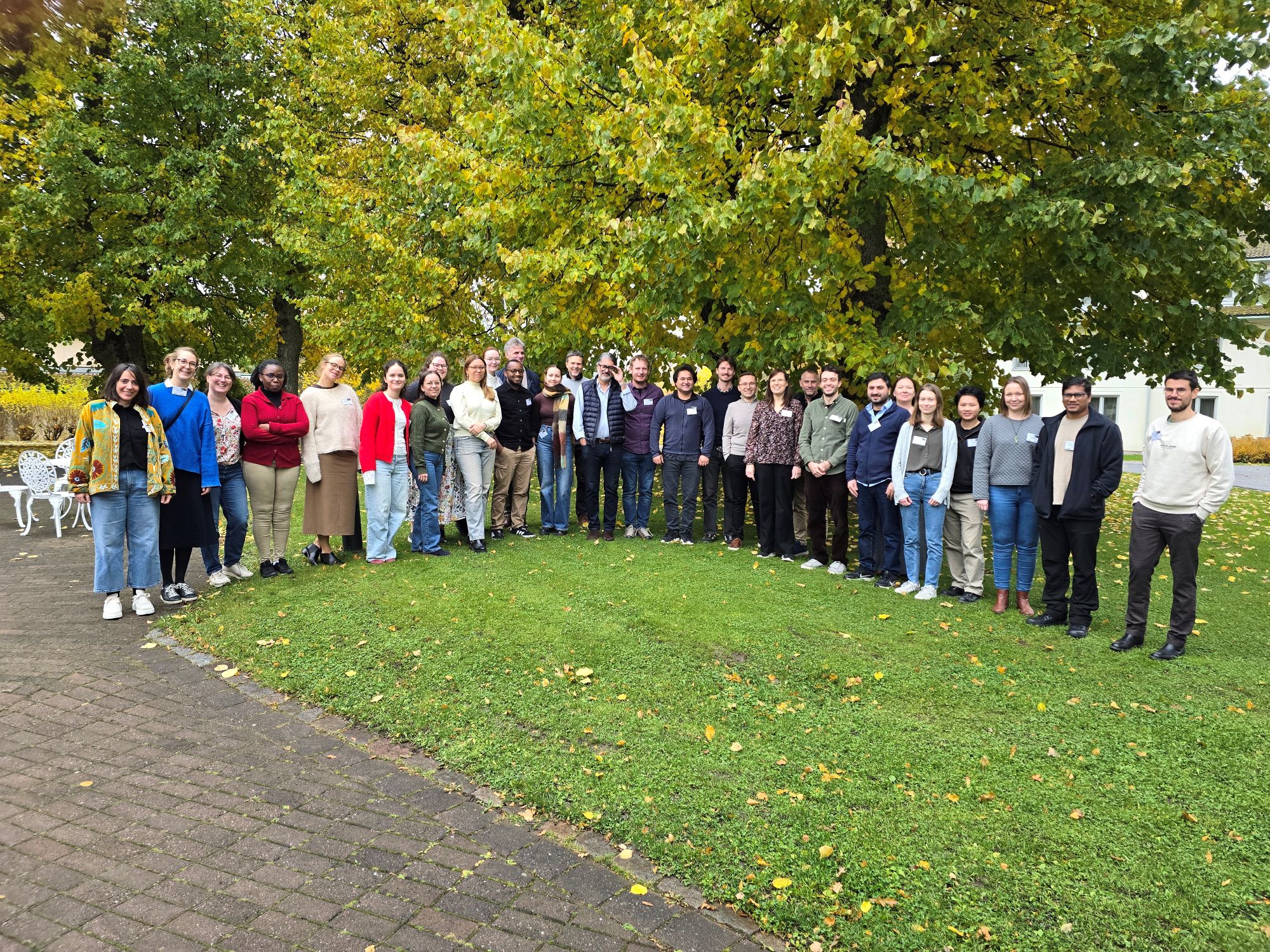
The 2025 Vaccine Development course brought together doctoral students and early-career researchers from across Sweden for three intensive days of learning and exchange. Held at Aronsborg Konferenshotell in Bålsta, this was the first course jointly organized by NDPIA and its sister school NDP-VIP, marking a successful collaboration that attracted participants from SLU, Karolinska Institutet, Lund University, Umeå University, the University of Gothenburg, and Uppsala University.

Group photo of the participants attending the Vaccine Development course in October 2025. Photo by staff at Aronsborg Konferenshotell.

The course program spanned the full spectrum of modern vaccinology from the fundamentals of immune protection and classical vaccine platforms to next-generation technologies, GMP manufacturing, and regulatory pathways for vaccine approval. Participants also explored the scientific and practical challenges of developing vaccines against viral, bacterial, and parasitic infections, as well as specific topics such as travel and oral vaccines, cancer immunization, and determinants of vaccine effectiveness.

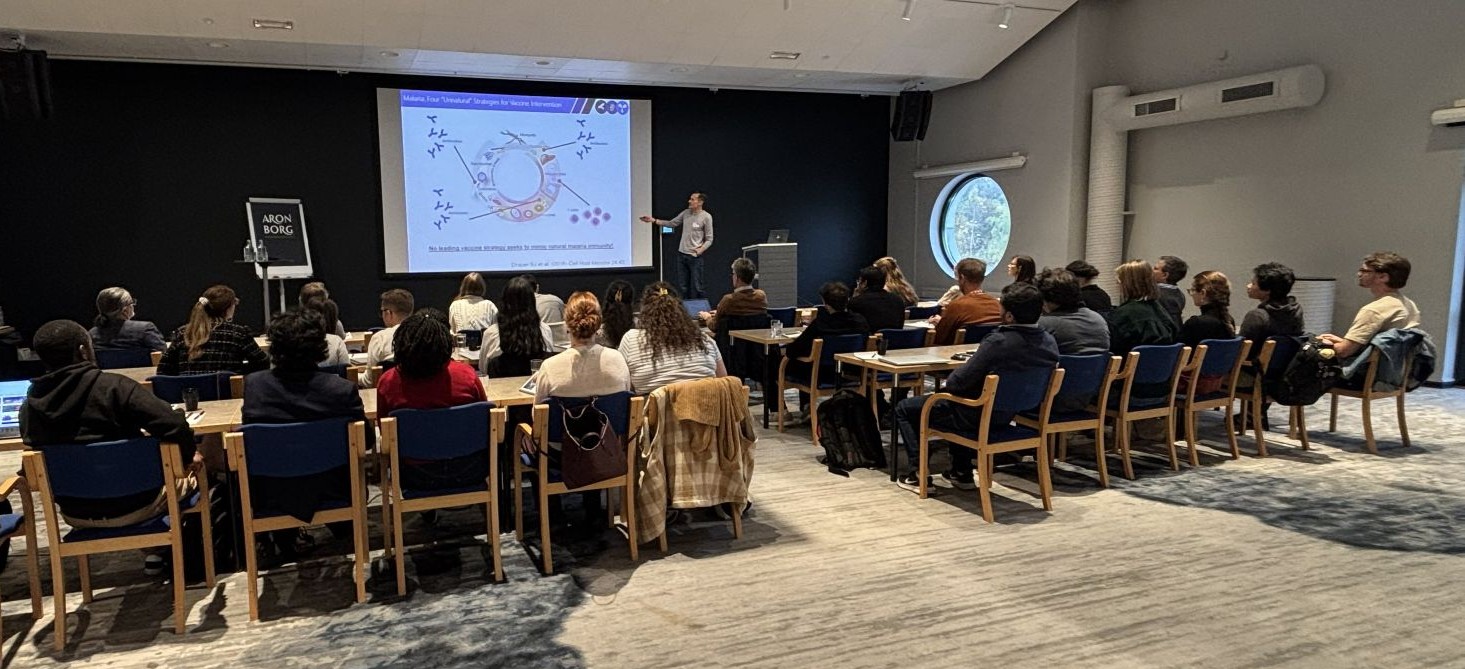
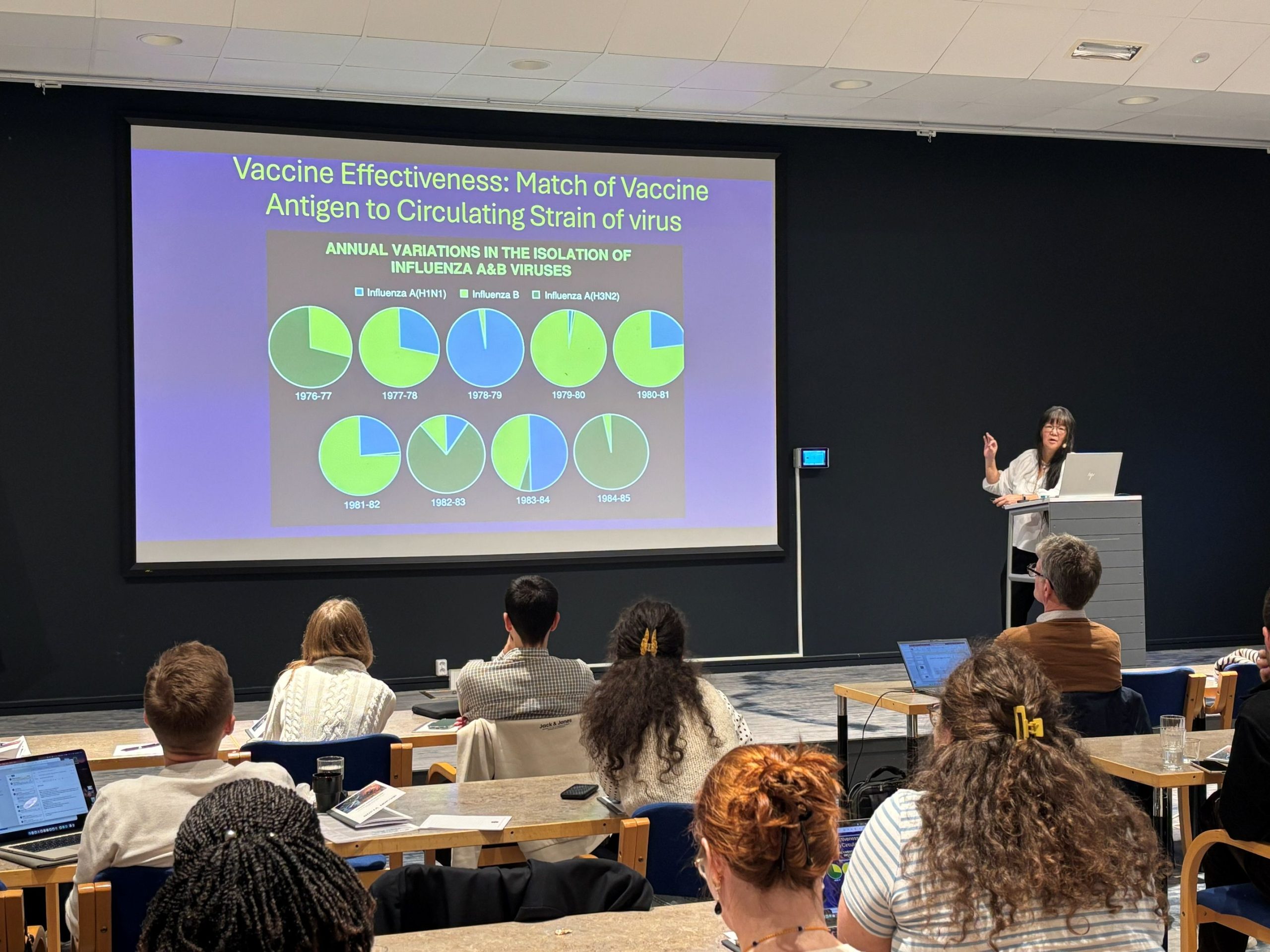
Lecture on “Challenges in vaccine development against parasitic diseases” given by Simon Draper, University of Oxford, UK. Photo by Louise Lindbäck.

Lecture on “Determinants of vaccine effectiveness: vaccine mechanisms, host factors and the epidemiological impact of herd immunity” given by Margaret Liu, University of California San Francisco, USA. Photo by Louise Lindbäck.

Beyond the lectures delivered by leading Swedish and international experts, the course emphasized interaction and collaboration. Poster sessions provided a platform for students to present their research, while informal networking and discussion sessions fostered scientific exchange and community building across disciplines and institutions.

Students presented their research through engaging poster walks, fostering discussions and peer learning. Photo by Louise Lindbäck.

The Vaccine Development course not only deepened participants’ understanding of the science and strategy behind vaccine innovation but also strengthened the national research network dedicated to advancing immunology and infectious disease research.

To view the full course program, please visit: Vaccine Development 2025 | NDPIA

Special thanks to the organizing committee:
Ali Mirazimi, Karolinska Institutet, Sweden
Annasara Lenman, NDPIA and NDP-VIP Director, Umeå University, Sweden
Louise Lindbäck, NDPIA and NDP-VIP Project Coordinator, Umeå University, Sweden
Summary of the 11th National Infection Biology (NIB) Meeting 2025

The 11th National Infection Biology (NIB) meeting 2025 was held between 20-21 October at Aronsborg Konferenshotell in Bålsta. This meeting brought together over 120 researchers from across Sweden to explore cutting-edge developments in infection biology. The program featured a dynamic mix of presentations from leading scientists in Sweden and abroad, as well as young researchers, fostering inspiring discussions and valuable networking opportunities.

Group photo of the participants at the 11th National Infection Biology (NIB) Meeting 2025, held at Aronsborg Konferenshotell in Bålsta. Photo: staff at Aronsborg.

Participants represented all major Swedish universities, from Umeå University in the north to Lund University in the south. The aim of the meeting was to promote cross-disciplinary research and to strengthen the national network of scientists working within infection biology and microbiology.

The scientific program showcased research across a wide range of sub-disciplines, including:

  • Bacteriology
  • Virology
  • Eukaryotic Microbiology
  • Host-microbe interactions
  • Environmental Microbiology
  • Data Driven Life Science

In addition to the talks, poster walks provided a platform for participants to present and receive feedback on their own research projects in an informal and engaging setting.

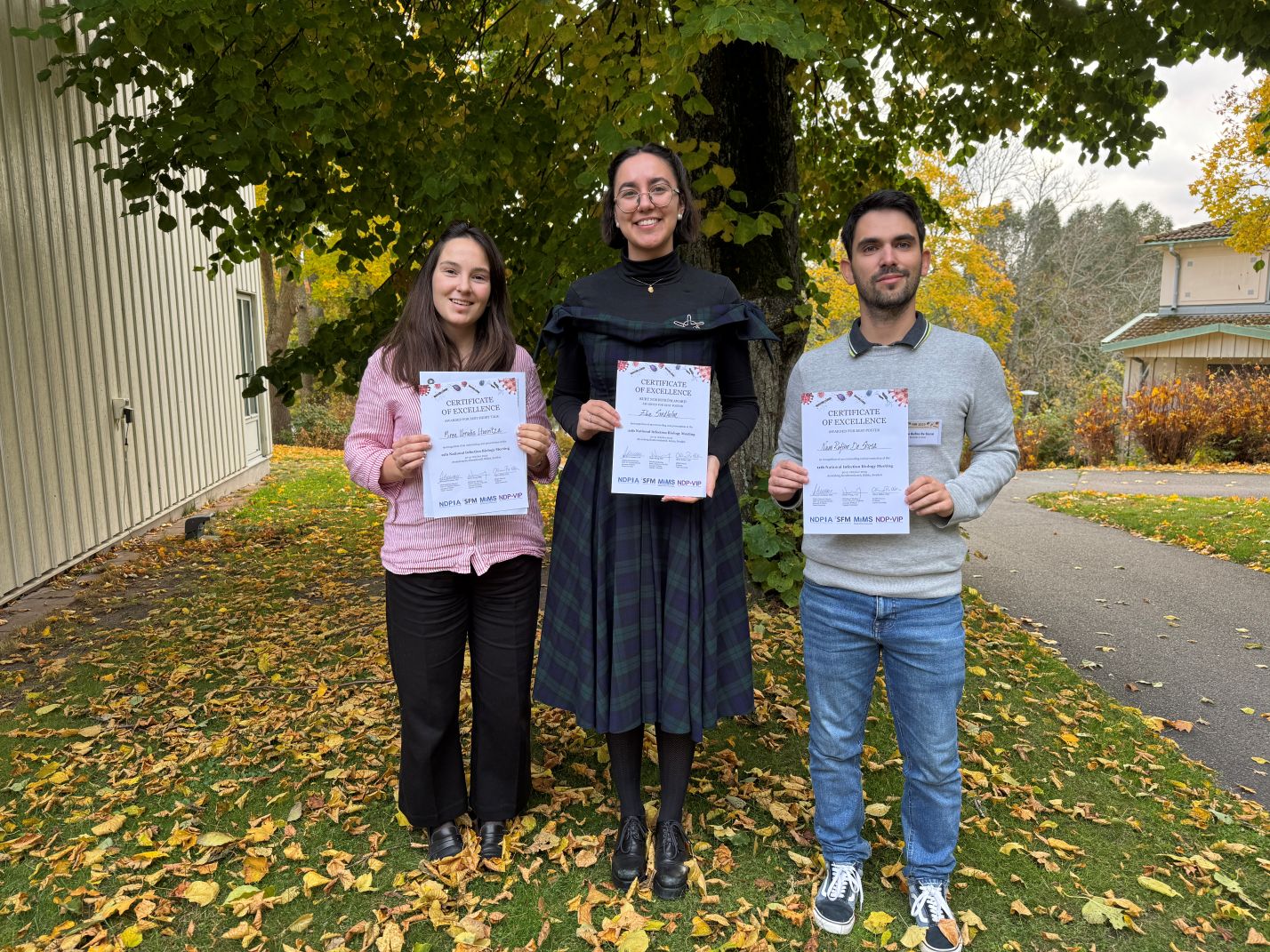
Award winners for Best Short Talk or Poster Presentation at NIB 2025! Congratulations to our top presenters, Miren Urrutia Iturritza (Stockholm University), Elin Svedholm (Uppsala University), and Nuno Rufino De Sousa (Karolinska Institutet)! Photo: Ingrid Söderbergh.

Thank You to All Participants, Co-organizers, and Sponsors!

This meeting was co-organized by:

We gratefully acknowledge the support of our funding sources and sponsors:

Join us for a course in Vaccine Development in connection to the NIB 2025 meeting!

Illustrator: Instagram @Ina.Schuppe.Koistinen

Welcome to the 11th National Infection Biology Meeting!

NIB 2025 is taking place at Aronsborg Konferenshotell in Bålsta, Sweden, on October 20-21, 2025.

The biannual NIB Meeting aims to bring together the community of infection biology researchers in Sweden, with a focus on networking and young researchers. Don’t miss the opportunity to present yourself and your research at this meeting!

Read more and register here: NIB 2025

Join us for a course in Vaccine Development

The Vaccine Development course is being held at Aronsborg Konferenshotell on October 22-24, right after the NIB Meeting.

As a joint course between NDP-VIP and its sister school NDPIA, this course explores the critical field of vaccine development, from basic research to clinical trials and regulatory approval.

Read more and register here: Vaccine Development 2025

Fundamentals of Basic and Applied Phage Biology – 2025 

From 12–16 May 2025, NDPIA hosted the second edition of the Fundamentals of Basic and Applied Phage Biology course at Lund University. The event brought together early-career researchers from across Sweden and abroad to explore the fascinating world of bacteriophages and their growing importance in science and medicine. 

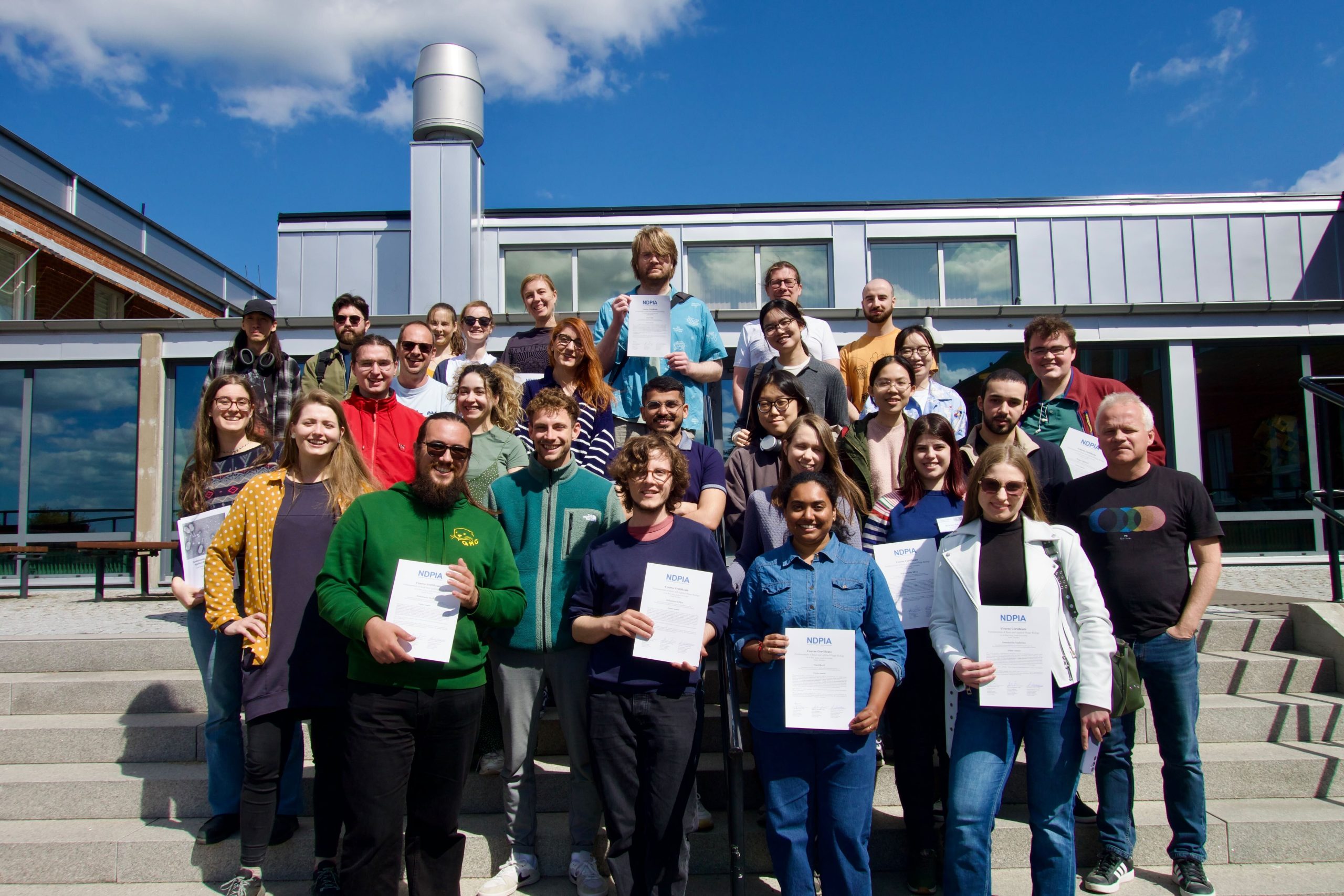
Group photo of the participants and organizers of Fundamentals of basic and applied phage biology in 2025. Photo by Vasili Hauryliuk.

“I felt the lecturers were all extremely high quality, engaged, and given by top professionals in their field.”
-Anonymous participant 

Led by Vasili Hauryliuk and Marcus Johansson at Lund University, the course featured lectures and discussions with both national and international experts in phage biology. Topics ranged from the ecological roles of phages in natural environments to their application in combating bacterial infections.  

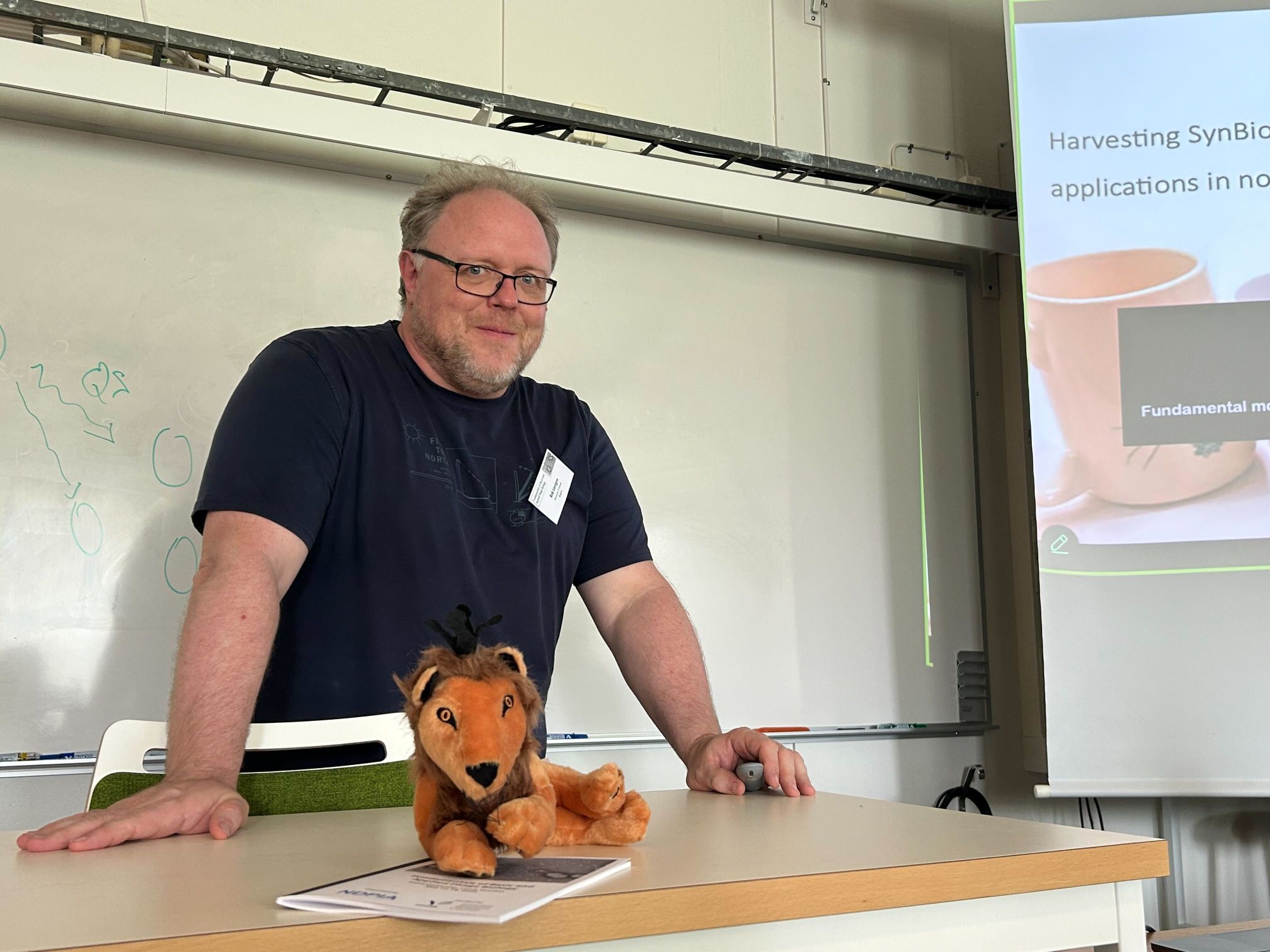
Lecture on “Exploiting phage for SynBio applications in non-model bacteria”, given by Rob Lavigne, University of Leuven, Belgium. Photo by Vasili Hauryliuk.

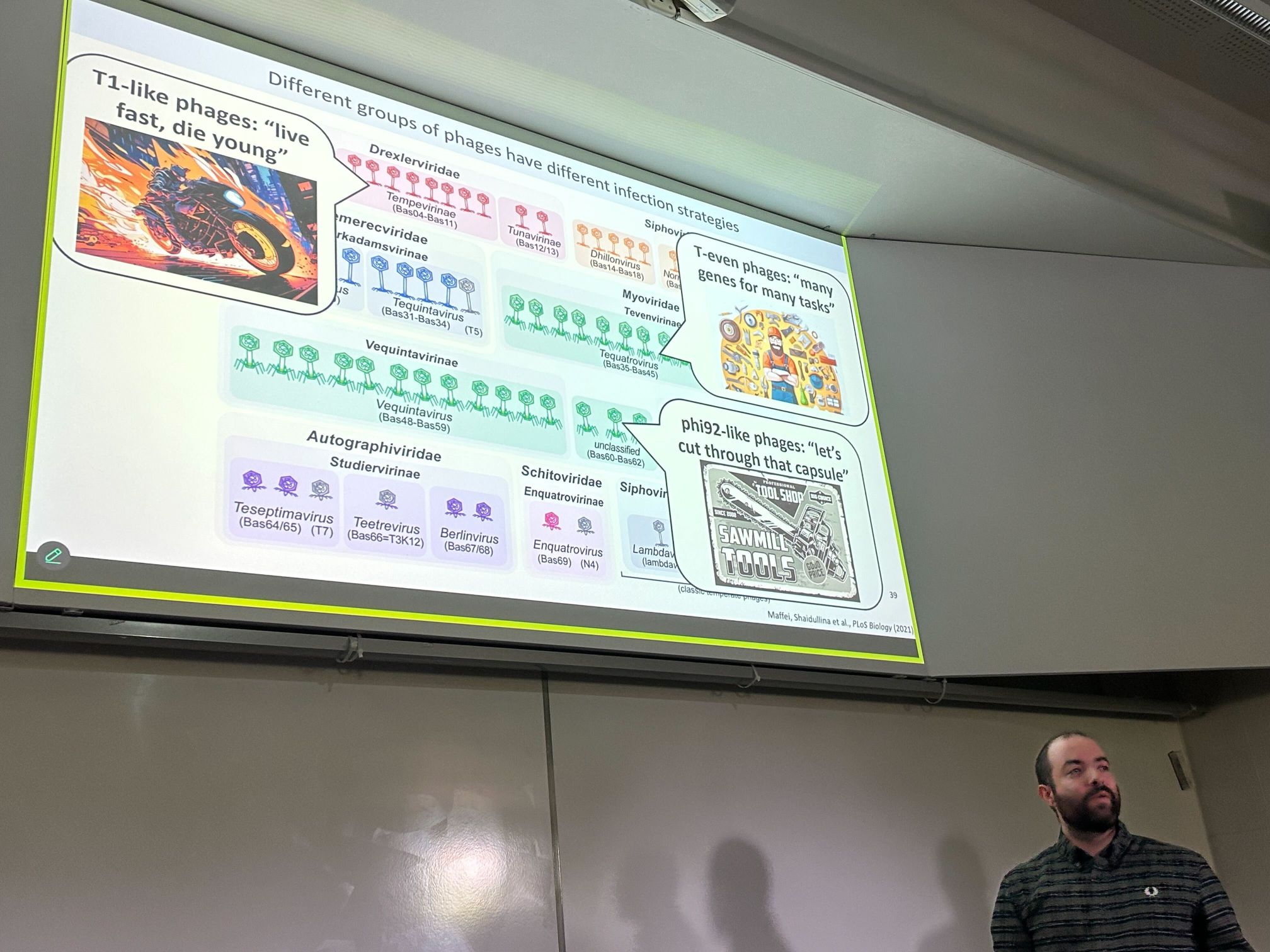
Lecture on “Bacteriophages – from the fundamentals of molecular biology to the BASEL collection”, given by Alexander Harms, Department of Health Sciences and Technology, ETH Zürich, Switzerland, Photo by Vasili Hauryliuk.

The theoretical sessions were complemented by hands-on training, equipping participants with practical skills to integrate phage techniques into their own research. The lab component included phage isolation from environmental samples, phage titre determination, infectivity and immunity assays, and the selection of spontaneous mutant phages. 

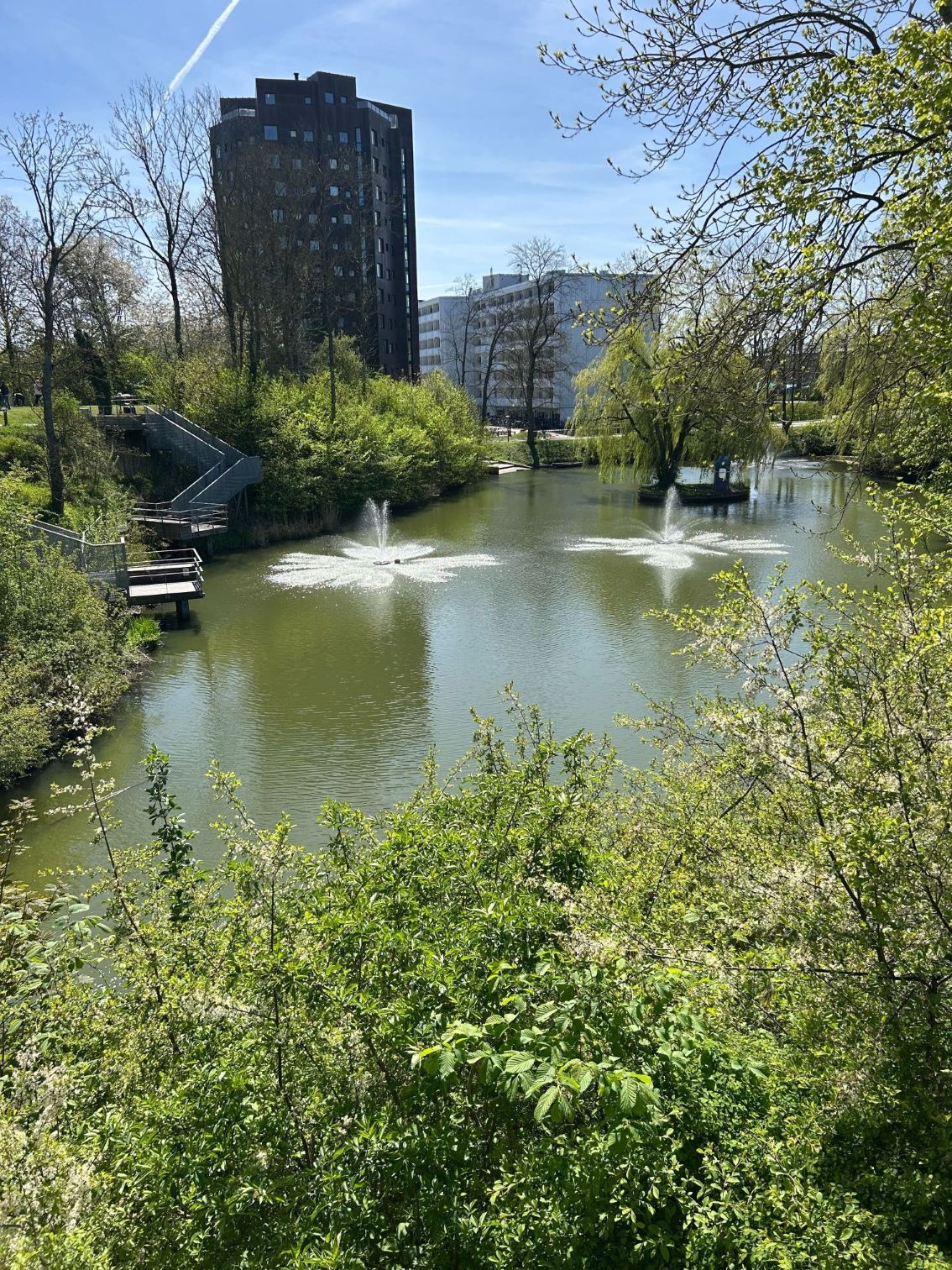
One of the locations in Lund where environmental samples were collected for isolation of phages. Photo by Vasili Hauryliuk.

In addition to the scientific program, participants presented their own research through elevator pitches, encouraging peer-to-peer learning and constructive feedback.

“The strength of this course was the wide range of topics covered—from experimental training and basic knowledge to bioinformatics, diverse research fields, and even industry perspectives.”
-Anonymous participant 

A big thank you to Vasili and Marcus for their incredible work in organizing the course and making it such a success! Their passion for phage biology and commitment to teaching were key to the course’s outstanding quality. Photo by Olena Shyrokova.

To view the full course program, please visit: Fundamentals of Basic and Applied Phage Biology 2025 | NDPIA 

Special thanks to the organizing committee:
Vasili Hauryliuk, Lund University, Sweden
Marcus Johansson, Lund University, Sweden
Annasara Lenman, NDPIA National Director, Umeå University, Sweden
Louise Lindbäck, NDPIA Project Coordinator, Umeå University, Sweden